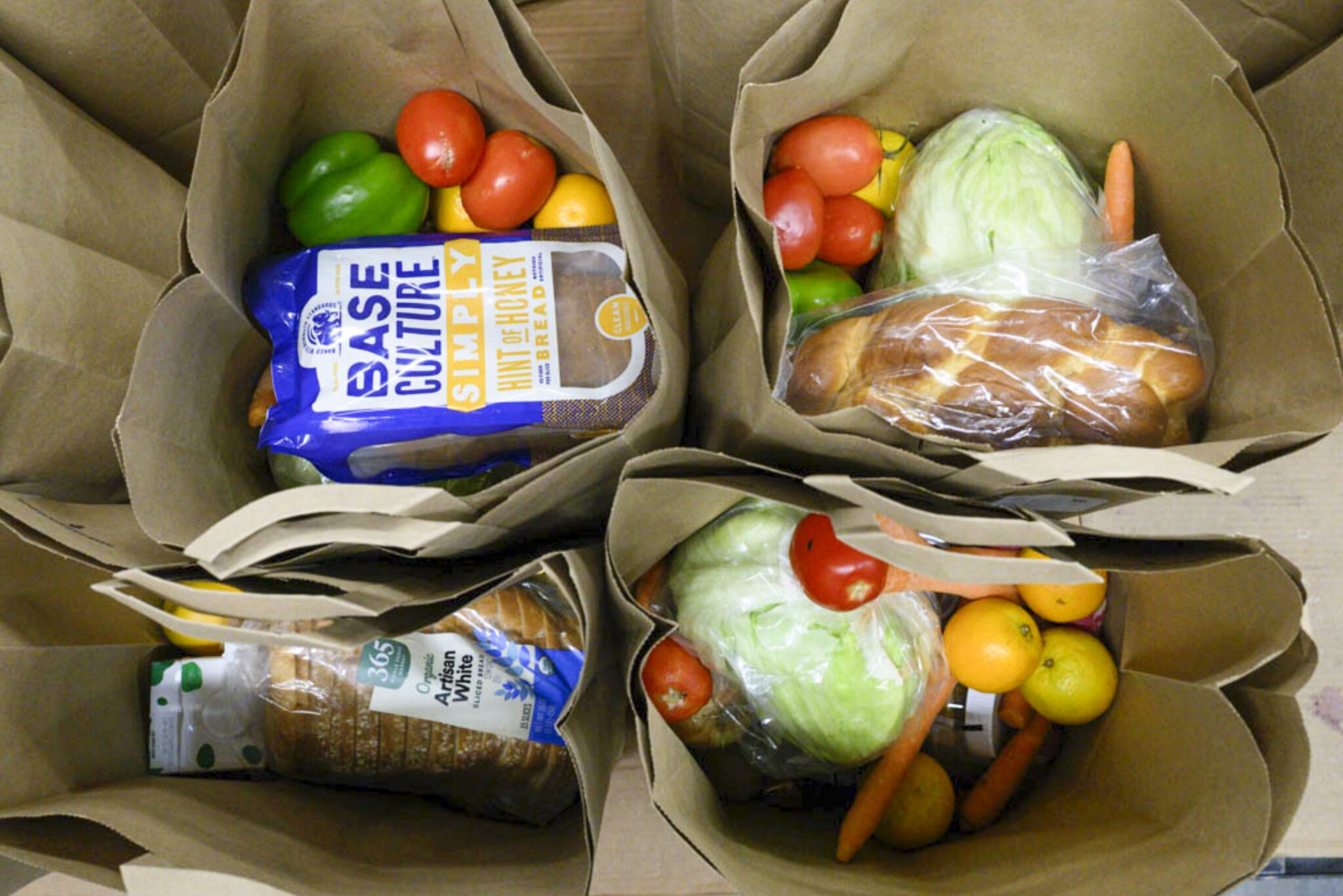
 Groceries
 SEATTLE – Today, Mayor Katie Wilson, City Councilmembers Alexis Mercedes Rinck and Dionne Foster are announcing a new affordability policy to stop the price gouging, promote equal discounts for all, and make groceries more affordable. After months of extensive engagement with labor and industry partners, and in partnership with Councilmember Rinck, this groundbreaking new policy will lead the nation as the first city in the country to implement this measure for fairer pricing of groceries and essential goods.
The policy is set to be heard after an 8:45 AM City Hall rally at the 9:30 AM City Council Human Services, Labor, & Economic Development Committee on Friday, August 7. Seattle Channel will broadcast live on their website and on YouTube.
“This policy stops corporations from using personal data to squeeze more money out of shoppers,” said Mayor Katie Wilson. “They’re not compiling all this information about us to charge us less; they’re trying to maximize what they can charge. Businesses are free to set their prices in a fair and transparent manner. The same product, in the same store, should cost the same no matter who’s pushing the cart.”
“Groceries are getting more expensive for everyday Seattleites, while the buying, selling, and leveraging our private information to manipulate prices is making big national grocery corporations millions in profits,” said City Councilmember Alexis Mercedes Rinck. “This legislation is intended put some guardrails on what big businesses can do with our personal information. At a time when SNAP reductions have rocked our community and people have less to spend on food, this is an important step we can take to prevent AI-assisted price gouging and ensure fair discounts for everyone.”
Policy Details
The Fair and Transparent Pricing policy will bar large online and brick-and-mortar grocery retailers from using sensitive personal information such as employment status, race, gender, social media posts, browsing history, chatbot conversations, or other similar data to set different prices for different customers.
Prices must be clearly posted and publicly available. Conventional coupons and discounts for seniors, veterans, and other similar groups are protected, as are other types of open and transparent discounts which were identified through conversations with advocates and local grocery business owners.
The policy was inspired by a growing body of evidence that shows personal information is used to price-max customers by squeezing prices as high as they’re willing to pay. For example, a recent Consumer Reports investigation – which included customers in Seattle – found Instacart conducted AI pricing experiments in which different customers were charge substantially different prices for the same goods. Note: several of the Seattle residents who participated in the Consumer Reports investigation are available for interview – reach out for contact information.
The Washington State Attorney General recently filed suit against the giant Albertsons chain for a related practice: raising shelf prices at the same time as they offered discounts in an attempt to deceive customers into believing they were receiving a bargain, when in fact the final price remained the same.
More information on the fair and transparent pricing policy is available online. The policy will also be reviewed in detail at Friday’s City Council committee hearing.
“When families are already paying more for groceries, people shouldn’t have to wonder whether they’re being charged extra because of an algorithm,” said City Councilmember Dionne Foster. “As a City, we must make certain that innovation serves the public, not the other way around, and that every Seattle resident can shop knowing they’re being treated fairly. Technology will continue to change the way we shop– our consumer protections must evolve alongside it.”
“Here in Seattle, we are choosing fairness over exploitation,” said City Attorney Erika Evans. “No one should have to wonder whether an algorithm determined that they should pay more than their neighbor for food. That’s exactly what this legislation is designed to address, and the City Attorney’s Office is excited to get to work.”
“We need to stop the price-gouging at grocery stores in its tracks. Seattle families do not have $1,200 more per year to spend on groceries. Corporate grocery companies want you to believe that they plan to invest millions in AI-powered surveillance pricing tech just so they can use it to lose money on discounting goods. But we weren’t born yesterday, and we’re not falling for fake discounts. Let’s protect shoppers and workers from this dystopian nightmare and get back to running friendly neighborhood grocery stores that serve our communities instead of corporate shareholders,” said UFCW 3000 President Faye Guenther.
“Working people are already struggling with the rising cost of housing, health care, transportation, and groceries. Grocery stores should not be allowed to harvest personal data to create fake discounts or calculate how much more one shopper will pay than another—and MLK Labor is prepared to make stopping that practice one of our top priorities this year,” said Shaunie Wheeler, Deputy Executive Secretary-Treasurer of MLK Labor.
“Against the backdrop of major federal fights to protect people from Big Tech Billionaire-driven mass data surveillance invading every aspect or people’s lives; Seattle’s ordinance to protect consumers from algorithmic price discrimination is perfectly-timed to meet the moment. Discriminatory and predatory pricing algorithms are driving up people’s prices in online grocery and delivery services, and corporations want to use AI-powered tech to intensively profile consumers, and personalize prices in physical stores, too. This morning, a misleading text message was blasted out to Seattle consumers claiming lawmakers want to make groceries more expensive, when the truth is the exact opposite. WA People’s Privacy is so proud to stand with community, and the Seattle lawmakers who have the courage and integrity to stand up to Big tech and Big Grocery, and work to make groceries more affordable for working families in Seattle,” said Maya Morales, WA People’s Privacy.
Additional Background
The Governor of New Jersey recently signed that state’s Fair Price Protection Act, which bars retailers from using consumers’ online activity, location, and other personal information to set personalized prices.
Mayor Wilson published an AI vision earlier this year exploring how the city can be at the forefront of adopting this new technology in ways that center human flourishing and serve the public good – including by establishing consumer protections and other policy guardrails